Why Floaters Get Worse After Dehydration From Alcohol
So, the other day after a night out with a couple of drinks—okay, more than a couple—I noticed something odd. I was dealing with this increased mess of floaters clouding up my vision the next morning. I’ve always had a few here and there, but this time, it was like a snow globe exploded in my eye. If that sounds familiar, you’re not alone. Turns out, there’s a very real reason your eye floaters get worse after a dehydrating night of alcohol. And once I started digging into it, what I found made way too much sense.
What Are Eye Floaters and Why Do They Even Exist?
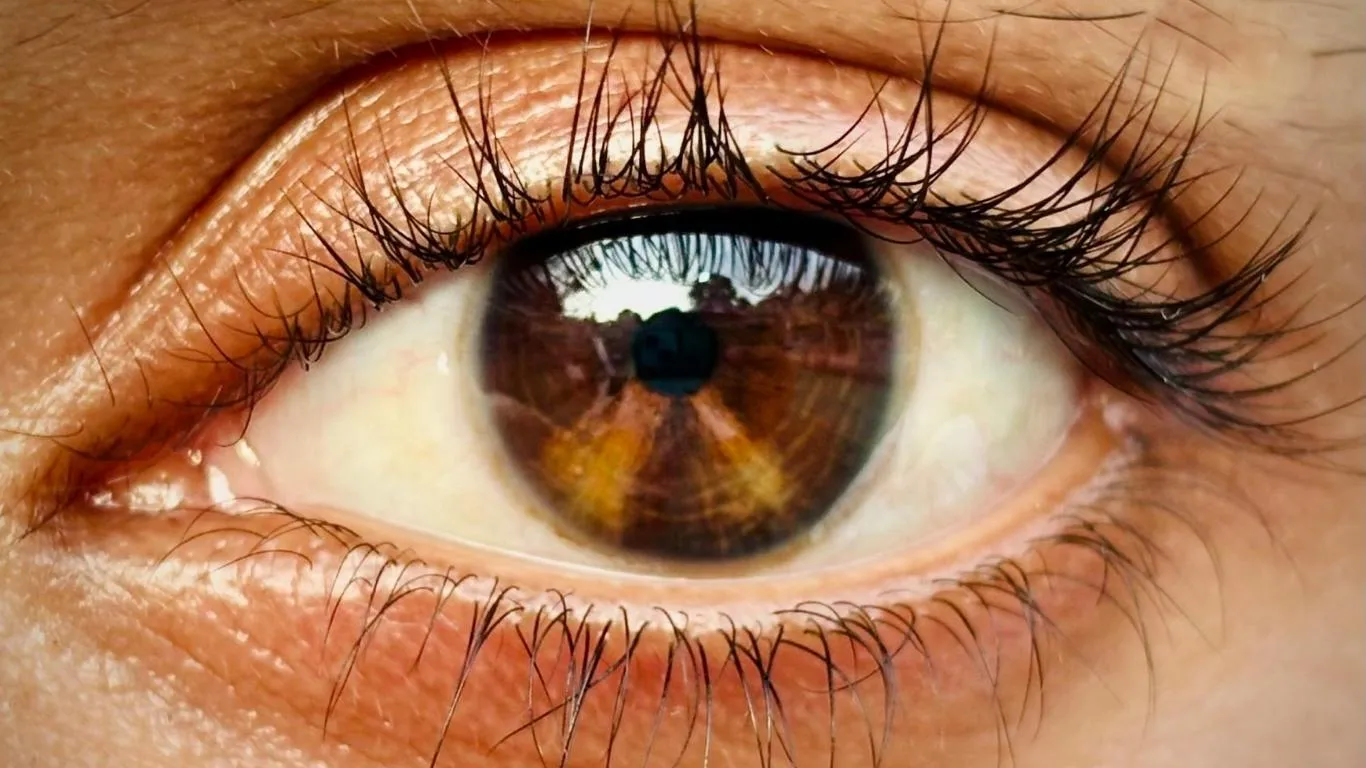
Eye floaters are those drifting specks, threads, or cobweb-like shapes that dance around your field of vision, especially noticeable when staring at something bright like a clear blue sky or a blank white screen. They’re actually tiny bits of collagen or other substances inside the vitreous humor—the jelly-like substance that fills your eyeball.
As we get older, that jelly starts to shrink and become more liquid, pulling away from the retina and forming clumps that cast shadows. That’s what you see as floaters.
How Dehydration from Alcohol Exacerbates Floaters
Alcohol is a diuretic. It messes with your body’s fluid balance by forcing your kidneys to dump water out at a much faster rate. And guess what? The less hydrated your eyes are, the more your vitreous humor can lose volume and structure. That loss makes existing floaters more visible—or worse, invites new ones to show up.
I’ve personally found that even two glasses of wine can make my vision feel “murkier” the next morning. What’s really happening? That jelly inside the eye becomes less buoyant, allowing floaters to sink and move more erratically. The shadows they cast feel bolder and more disruptive.
This isn’t just my anecdotal experience—ncbi.nlm.nih.gov hosts studies showing how chronic alcohol use can accelerate eye aging and vitreous degeneration. The link is clear: dehydration shrinks the gel, changes light scattering in the eye, and makes everything that was once subtle painfully obvious.
Alcohol + Dehydration = A Perfect Storm for Eye Floaters
Combine alcohol-induced dehydration with natural aging, stress, and poor eye circulation, and you’ve got yourself the ideal environment for floaters to flourish. Alcohol also reduces the levels of antioxidants like vitamin C and E in the body—key nutrients that help maintain healthy vitreous structure.
- Rapid fluid loss: Affects intraocular pressure and vitreous hydration
- Oxidative stress: Accelerates collagen breakdown in the eye
- Blood sugar imbalance: Affects microcirculation to the retina
Other Hidden Triggers That Make Floaters Worse With Alcohol
When we think of alcohol affecting the eyes, we usually just assume blurry vision. But floaters? They’re a silent consequence. The effects are even worse if you’re not getting enough sleep—another common companion to drinking. Lack of rest reduces eye fluid renewal, amplifying debris in the vitreous.
For those with preexisting issues like high blood pressure or diabetes, alcohol can intensify damage to the retina and vitreous, making floaters not just annoying but possibly dangerous. In fact, alcohol’s role in worsening floaters is often under-discussed—even among eye specialists.
What Can You Do If You Notice Floaters After Drinking?
First things first—hydrate. I now make it a habit to chug a big glass of water before bed and again when I wake up. And while that’s not a miracle cure, it helps stabilize fluid levels in the eye. You should also consider adding eye-friendly nutrients to your diet post-drinking:
- Lutein and Zeaxanthin: Found in leafy greens and help protect your retina
- Vitamin C: Supports collagen in the vitreous
- Omega-3s: Enhance eye lubrication and reduce oxidative damage
I’ve also been experimenting with targeted supplements for floaters. While not all of them work, a few actually made a noticeable difference after consistent use. It’s worth noting, though, that supplement quality really matters—don’t grab the cheapest thing off the shelf.
When Is It a Red Flag?
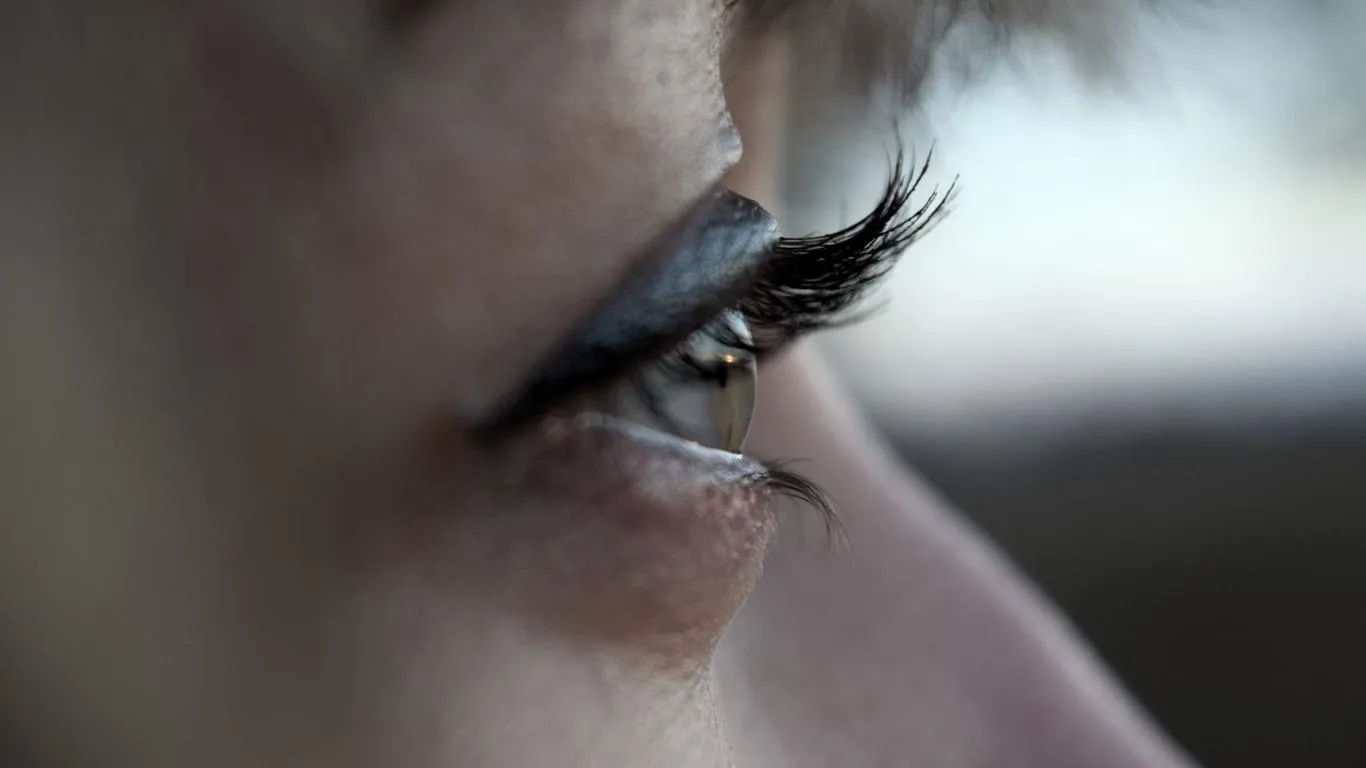
Floaters are usually benign, but if you’re suddenly seeing a shower of floaters, flashes of light, or a curtain-like shadow, you may be facing a retinal tear or detachment. Especially if it happened after heavy alcohol use and dehydration, it’s worth seeing an ophthalmologist fast. Learn more about floaters before retinal tears—they’re no joke.
More on how to distinguish floaters from serious conditions is available at our eye floater differentiation guide. Also, if you want a deep dive on how floaters form, what causes them, and when to worry, check out our comprehensive guide on what are eye floaters and also our main explainer on treatment options.
Can You Prevent Floaters From Getting Worse After Drinking?
Short answer? Yes—but not entirely. Once floaters are there, they’re mostly there to stay. However, you can absolutely keep them from getting worse. Over the last year, I’ve adjusted my routine—not to stop drinking entirely, but to drink smarter.
One of the most helpful changes? I follow what I now call the “3-to-1 rule”—for every drink, I have three glasses of water. It sounds annoying, but it’s surprisingly easy to do if you turn it into a challenge. And guess what? My post-drinking floaters have dropped dramatically.
Other Proven Ways to Protect Your Eyes When You Drink
- Take magnesium: It supports ocular blood flow and low levels can worsen floaters
- Boost your antioxidant intake: I load up on berries, leafy greens, and a supplement with Vitamin C, E, and zinc before a night out
- Use preservative-free artificial tears: They hydrate your eyes directly if you’ve been out late and screen exposure was high
And if you wear contacts? Remove them after drinking. Trust me on this. Alcohol can dry out your eyes and contacts will just trap irritation in, making floaters feel way more pronounced. There’s also more risk of infection and surface inflammation.
Smart Recovery Routine to Reduce the Impact
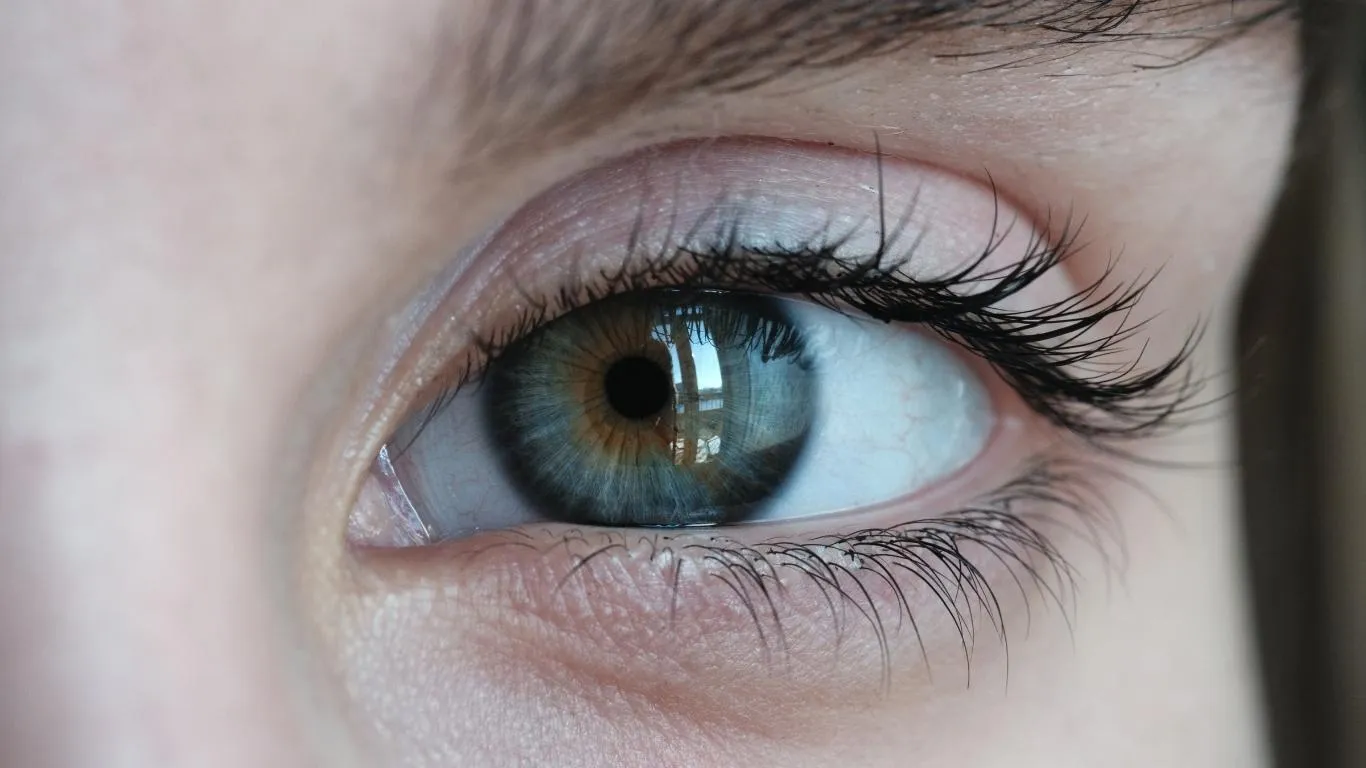
Waking up after a night of drinking with floaters dancing across your field of vision? Here’s what I’ve found works best:
- Hydrate immediately: Before coffee or anything else. A full liter of water with a pinch of Himalayan salt helps restore electrolytes
- Do gentle eye movements: Side to side, up and down—this helps the floaters settle
- Apply a warm compress: It stimulates blood flow and soothes strained ocular muscles
- Use a blue light filter: Avoid worsening your symptoms with screen glare early in the day
If you’re someone who experiences recurring floaters after drinks or long nights, consider adding simple daily eye exercises. They’ve helped me re-center my focus and reduce visual disturbance—especially first thing in the morning.
Supplements That Might Actually Help (But Be Realistic)
Look, not all supplements are created equal. And none of them will erase floaters overnight. But some of the better ones out there can reduce oxidative stress and support vitreous integrity. Based on what I’ve tried and seen recommended by retinal specialists, here’s what’s worth considering:
- Astaxanthin: A powerful antioxidant that supports eye endurance and clarity
- Lutein + Zeaxanthin: Essential for macular and retinal health—also found in many floaters-friendly diets
- Omega-3 fatty acids: Especially EPA/DHA forms found in krill oil; promote ocular hydration
And yes, you can support collagen in the eye with the right nutrients. Just be cautious with doses and always buy from reputable brands—not the random stuff with “miracle cure” claims. This isn’t magic, it’s biology.
Other Triggers That Work Alongside Alcohol-Induced Floaters
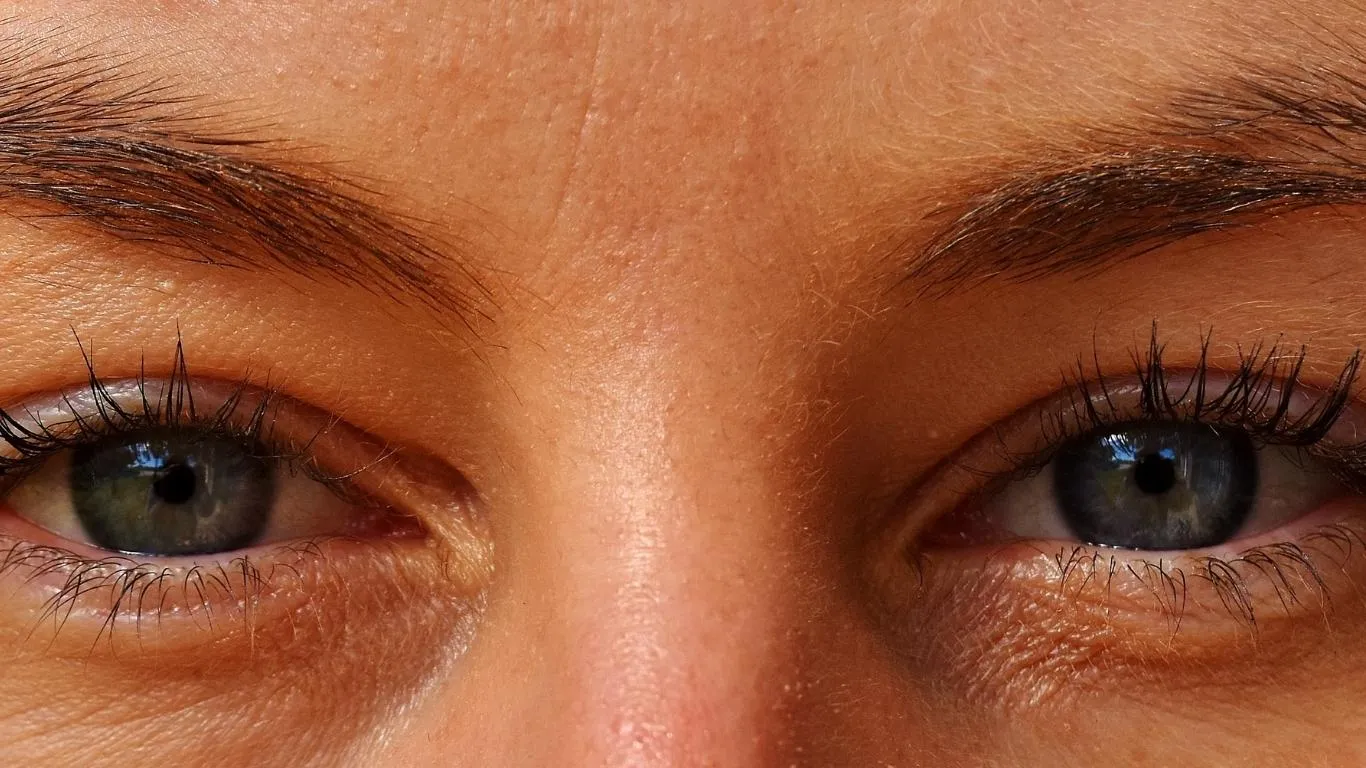
Dehydration from alcohol isn’t the only thing stirring the pot. If your floaters are getting worse, it’s probably a combo effect. Here are some of the usual suspects:
- Screen time: Excessive blue light exposure strains your eyes and may worsen floater visibility
- Lack of quality sleep: Affects eye regeneration and fluid renewal
- Emotional stress: There’s growing evidence that cortisol spikes influence eye blood vessels
- Caffeine: Might not cause floaters directly but does contribute to dehydration and jittery vision
It’s a web. The more you tackle the compounding factors, the more control you have over those shadowy specks in your sight.
When Professional Help Is The Best Move
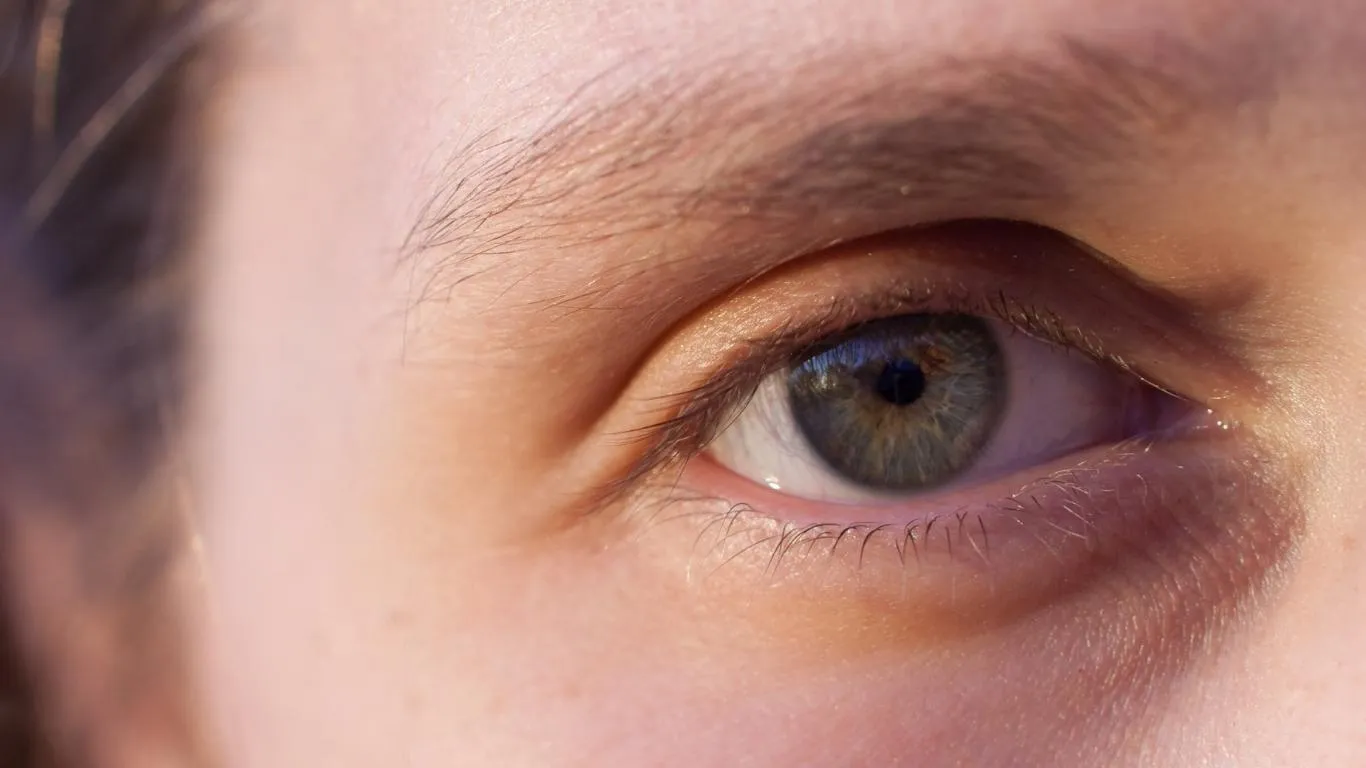
If your floaters come with eye pain, sudden light flashes, or vision loss, that’s not just alcohol—that could be a sign of a retinal tear or detachment. Floaters that seem to appear right after a fall, head trauma, or intense dehydration are always worth investigating.
I once shrugged off a wave of floaters that showed up after a long hike and a night of celebration. A week later, it got worse. Turns out I had early signs of posterior vitreous detachment—nothing serious in my case, but it could’ve easily gone another way. Don’t ignore your gut.
Get a Handle on It Before It Becomes Your New Normal
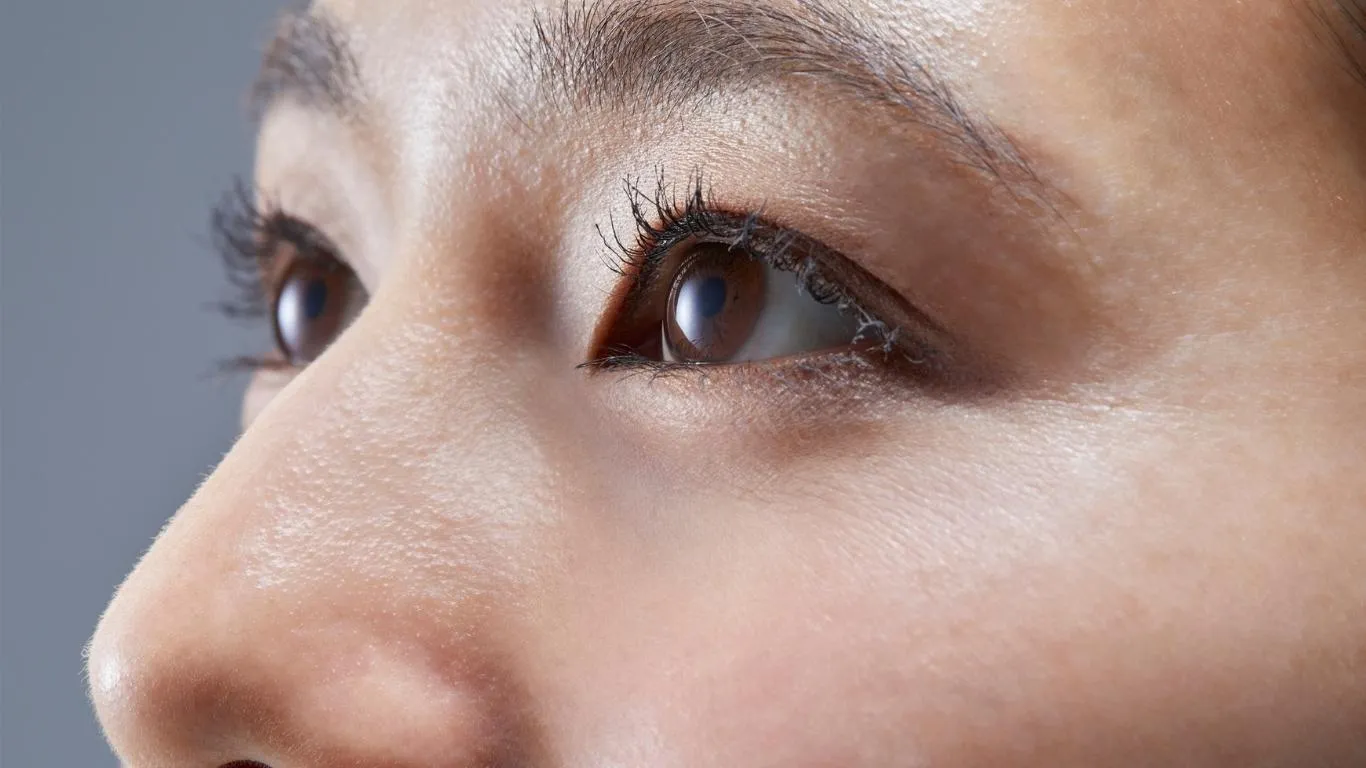
Floaters aren’t always preventable. But their severity—and how much they impact your life—is something you can influence. It starts with understanding your personal triggers. For me, alcohol-induced dehydration was one of the biggest culprits. Once I made a few strategic lifestyle tweaks, my vision got a whole lot clearer—literally and figuratively.
Want to explore all your options for managing floaters, naturally or clinically? Our expert-reviewed guide on eye floater treatments covers everything from observation to surgery. And don’t miss our comprehensive breakdown on what floaters are and how they evolve.

Camellia Wulansari is a dedicated Medical Assistant at a local clinic and a passionate health writer at Healthusias.com. With years of hands-on experience in patient care and a deep interest in preventive medicine, she bridges the gap between clinical knowledge and accessible health information. Camellia specializes in writing about digestive health, chronic conditions like GERD and hypertension, respiratory issues, and autoimmune diseases, aiming to empower readers with practical, easy-to-understand insights. When she’s not assisting patients or writing, you’ll find her enjoying quiet mornings with coffee and a medical journal in hand—or jamming to her favorite metal band, Lamb of God.