Cold Weather Can Worsen Eye Floaters and Here’s What Helps
Last winter, I found myself squinting through a flurry of snowflakes, not just from the cold wind but from something even more frustrating—those pesky squiggly shadows drifting across my vision. You know, eye floaters. At first, I blamed the bright snow glare or maybe too much screen time. But after a few days of dealing with those translucent threads dancing around, I began to wonder—can cold weather actually worsen eye floaters? Turns out, the answer is a bit more complex than a simple yes or no.
Understanding What Eye Floaters Are
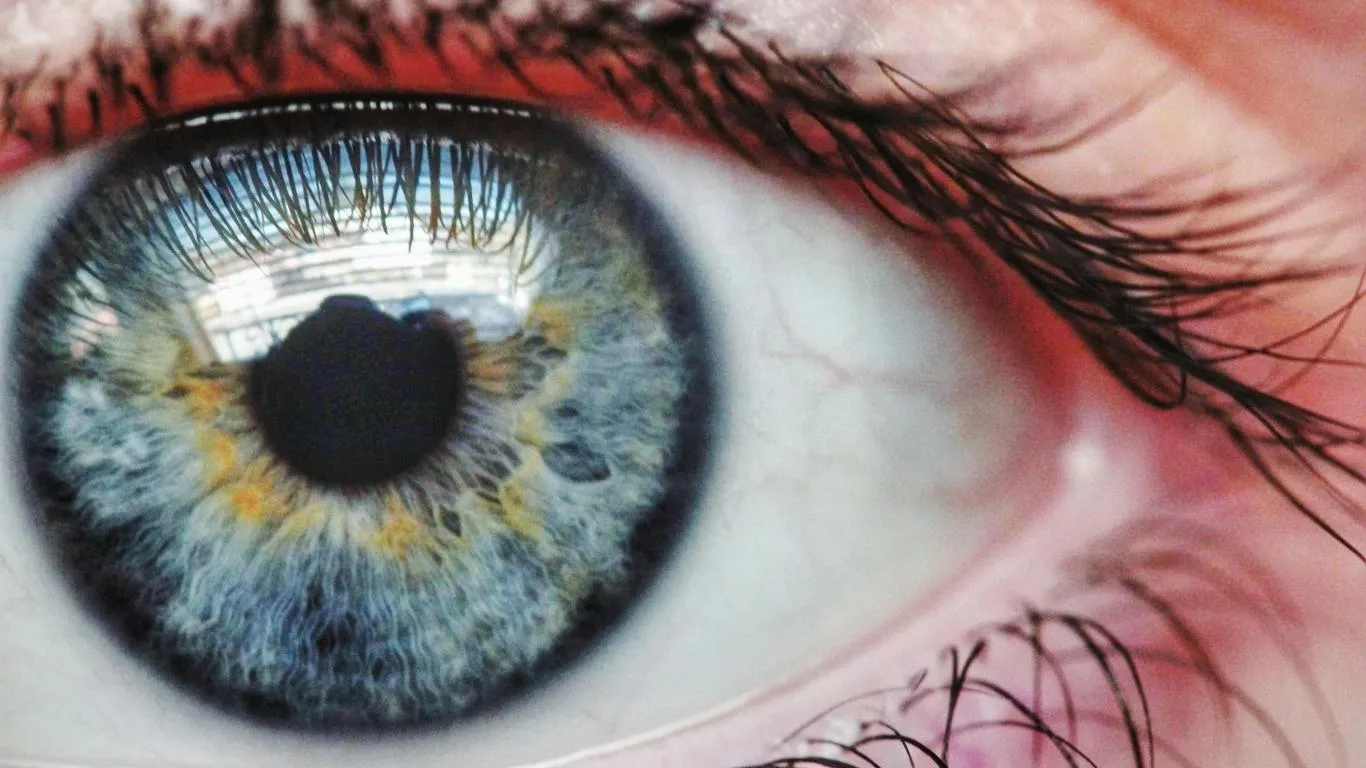
Eye floaters are those tiny, drifting spots, cobwebs, or thread-like shapes that float across your field of vision. They’re usually caused by tiny collagen fibers clumping together inside the vitreous humor—the gel-like substance that fills the middle of your eye. When these clumps cast shadows on your retina, you see floaters.
Now, floaters can appear out of nowhere, especially as you get older. But many people (including myself) have noticed them getting worse in colder months. Why?
Can Cold Weather Worsen Eye Floaters?
There’s no direct scientific consensus that cold weather *causes* floaters—but based on real experiences and expert insights, chilly environments can certainly make them more noticeable and potentially more uncomfortable. Here’s how:
1. Dry Air and Dehydration
Cold weather often comes with dry air, especially indoors where heaters zap humidity levels. This dryness can affect your eyes’ natural lubrication, leading to eye strain and dehydration-related floaters. I’ve noticed that on days when I forget to hydrate or skip using a humidifier, my floaters seem to become more prominent—almost like they’re highlighted on a dry, irritated canvas.
2. Reduced Blood Circulation
When it’s cold, your body prioritizes warming your core. That means reduced blood flow to your extremities—and yes, even your eyes. Some researchers believe that restricted circulation might temporarily affect the retina and vitreous, leading to increased visibility of floaters. It’s subtle but noticeable if you’re sensitive to visual changes like I am.
3. Constricted Pupils
In lower light conditions, like during the short days of winter, your pupils naturally dilate. This lets in more light but also increases the contrast between floaters and the background of your vision. Suddenly, those harmless floaters become very noticeable. It’s not just me—several people I know complain more about floaters during dim winter evenings than bright summer days.
Other Cold-Weather Triggers That Might Make Floaters Worse
- Heater usage: Indoor heating can dry out the air significantly, which, again, promotes eye dryness.
- Less outdoor time: Natural light exposure tends to decrease in winter. According to PubMed, lower ambient light levels may increase visual sensitivity to floaters.
- Increased screen time: Let’s be honest, we all scroll more during cold months. Prolonged digital exposure can exaggerate floaters and contribute to digital eye strain.
What Helps Me During Winter Months
- Stay hydrated: I make a conscious effort to drink warm herbal teas and plain water throughout the day. Even mild dehydration can make floaters seem worse.
- Use a humidifier: Especially at night. It keeps indoor air moist and my eyes feeling a lot more comfortable.
- Follow the 20-20-20 rule: Every 20 minutes, look at something 20 feet away for 20 seconds. It helps reduce digital eye strain that can intensify floaters.
- Wear UV-blocking glasses: When outside, even in winter, to protect eyes from harsh light reflecting off snow. This tip from AAO made a huge difference for me.
For anyone wondering if these floaters mean something more serious, you’re not alone. I panicked the first time they became overwhelming. Turns out, sudden increases in floaters can indicate more serious issues like retinal tears or inflammation. That’s why regular eye exams are a must, especially if you’re over 40 or dealing with any chronic conditions.
To dive deeper into common causes and other symptoms that can clue you in, this guide on eye floater causes is incredibly helpful. For a more comprehensive overview, check out the main guide on what are eye floaters—it covers symptoms, treatments, and everything in between.
When Cold Weather and Eye Conditions Collide
So here’s something I didn’t expect: one winter, I developed an eye infection just after a bad head cold. The floaters went from mildly annoying to borderline alarming. That’s when I started digging deeper. Turns out, cold weather isn’t just uncomfortable—it can trigger or worsen underlying conditions that lead to more aggressive floaters.
1. Inflammation and Infections
Cold and flu season brings with it a spike in viral infections, including eye infections that cause floaters. Even mild inflammation like conjunctivitis can make floaters feel more pronounced due to increased intraocular disturbance. The inflammation alters the fluid dynamics in the eye, which might make preexisting floaters drift more aggressively into your visual field.
2. Sinus and Head Pressure
Ever noticed how pressure from sinus congestion makes everything feel…off? That pressure can also translate to visual discomfort. There’s some anecdotal evidence linking sinus infections or migraines with a temporary worsening of floater perception. If you’ve ever experienced floaters accompanied by facial pressure or headaches, you might want to read about headache-induced floaters.
3. Autoimmune Flare-Ups
Winter is notorious for triggering autoimmune flares. Conditions like rheumatoid arthritis or lupus tend to act up when temperatures drop, and yes, these flare-ups can affect your eyes. According to this insight on autoimmune-related floaters, inflammation inside the eye may lead to new or more noticeable floaters.
Does Screen Time in Winter Make It Worse?
Here’s my confession: I binge-watch more Netflix and scroll endlessly during cold months. That extra screen time? Not doing my eyes any favors. Excessive digital device use doesn’t directly cause floaters, but it can intensify how much you notice them. Here’s why:
- Staring at bright screens in dim environments increases visual contrast, highlighting floaters.
- Reduced blinking during screen time dries out the eyes and adds to discomfort.
- High blue light exposure may aggravate overall eye fatigue and make floaters feel more annoying.
If that sounds like your winter routine, this piece on screen-time-induced floaters breaks it down in more detail.
Winter Habits That Might Be Making Your Floaters Worse
Some seasonal habits you might not think twice about could be quietly intensifying your floater symptoms:
- Not wearing UV protection: Snow reflects a surprising amount of sunlight. If you’re not wearing sunglasses, you might be overexposing your eyes to UV radiation, which can damage the vitreous over time.
- Skipping exercise: Less physical movement may reduce overall circulation, including to your eyes. Moderate, regular exercise supports ocular health—even during winter.
- Neglecting eye nutrition: Comfort food season is real. But if you’re skipping essential nutrients like omega-3s, lutein, and vitamin C, you’re missing out on compounds that support vitreous clarity. Here’s a helpful guide on lutein-rich foods.
What I Do to Keep Floaters in Check All Winter
Over the years, I’ve picked up a few winter rituals that actually help reduce how often I notice floaters—and they’re easy to incorporate:
- Adding warm compresses to my nightly routine to improve eye circulation.
- Investing in moisture chamber glasses when I go outside. Sounds intense, but they help a ton on windy days.
- Taking regular tech breaks. Just 5-10 minutes every hour to give my eyes a rest. Bonus: fewer headaches too.
- Snacking smarter—almonds, spinach, and carrots are now winter staples in my kitchen.
For a more natural approach, I’ve also experimented with some tips from this article on managing eye floaters naturally. While not all home remedies work, a few have definitely helped me feel more in control.
When to Worry—and What to Watch For

Here’s where I draw the line: if I notice a sudden shower of floaters, flashes of light, or any shadow moving across my vision, I don’t wait. Those can be signs of something serious like a retinal tear or detachment. According to the Mayo Clinic, prompt treatment is key to preserving vision.
If you’re seeing something strange—especially alongside cold-weather changes—this quick read on sudden floater bursts can help you understand what’s normal and what’s not.
And for a full picture of the conditions where floaters are more than just a nuisance, check out this main article on dangerous floaters. It’s one I always keep bookmarked just in case.

Camellia Wulansari is a dedicated Medical Assistant at a local clinic and a passionate health writer at Healthusias.com. With years of hands-on experience in patient care and a deep interest in preventive medicine, she bridges the gap between clinical knowledge and accessible health information. Camellia specializes in writing about digestive health, chronic conditions like GERD and hypertension, respiratory issues, and autoimmune diseases, aiming to empower readers with practical, easy-to-understand insights. When she’s not assisting patients or writing, you’ll find her enjoying quiet mornings with coffee and a medical journal in hand—or jamming to her favorite metal band, Lamb of God.