
When Floaters Suddenly Shrink or Disappear, Is It Normal?
I still remember staring at the sky one afternoon, thinking a bug was buzzing across my vision—only to realize it wasn’t a bug at all. It was one of those strange, squiggly shadows: a floater. If you’ve ever had one, you know exactly what I mean. What’s wild is how they sometimes vanish—or seem to. So what does it mean when floaters suddenly shrink or disappear?
Why Do Eye Floaters Seem to Disappear?
Let’s clear one thing up first—floaters don’t just dissolve like cotton candy in water. At least, not instantly. Most of the time, when floaters seem to vanish, they’ve either drifted out of your line of sight or your brain has learned to filter them out. Yep, the human brain is wild like that.
The Science Behind “Disappearing” Floaters
Floaters are tiny bits of collagen that clump up in the vitreous humor—the gel-like substance inside your eye. As you age (or if you’ve had trauma or surgery), these clumps become more noticeable. But over time, two things can happen:
- They sink below your visual axis and move toward the bottom of your eye.
- Your brain adapts and starts ignoring them completely—a process called neuroadaptation.
This is why it may seem like they shrink or disappear. But truthfully, they might still be in there, just out of your awareness.
Do Floaters Ever Really Shrink?
Occasionally, yes—but very slowly. Some floaters may break down into smaller pieces or spread out in the vitreous. This can make them appear less intense. But don’t expect this to happen overnight. It’s more like watching ice melt on a cold day—slow and subtle.
One thing to consider is hydration. There’s some talk among eye specialists that dehydration can make floaters more visible, so staying hydrated could help reduce visibility. Though, it’s more of a supportive measure than a cure.
When Disappearing Floaters Might Signal a Problem
This might sound ironic, but some floaters disappearing quickly could actually be a red flag—especially if they’re accompanied by light flashes, peripheral shadowing, or a curtain effect. These symptoms could point to a serious condition like retinal tear or detachment. If you notice sudden changes, especially after trauma or intense exercise, call your eye doctor immediately. No joke—I once had a friend ignore new floaters after a soccer injury, and he ended up needing urgent surgery to prevent permanent vision loss.
Conditions like vitrectomy recovery or eye trauma can also play a role in floater behavior. If you’ve recently undergone eye surgery, always monitor visual changes—your ophthalmologist will thank you.
What Helps Floaters Fade from Daily Vision?
Letting Gravity Work For You
Believe it or not, your floater’s position changes depending on how you move your head. I’ve had mornings where tilting my head down sent the floaters sliding right out of sight—like marbles in a bowl. Sitting upright more often, especially when working on screens, can help them settle out of your central vision.
Training Your Brain
This one’s underrated: brain training. No, not the app kind. But over time, your brain can learn to filter floaters, especially if you avoid high-contrast backgrounds. If they’re bugging you during screen time, switch to dark mode and avoid bright white backgrounds. Also, try not to hyper-focus on them (I know, easier said than done).
Foods and Supplements That Might Help
There’s a growing buzz around nutrients for eye health. While there’s no magic pill to erase floaters, some folks (myself included) have tried boosting antioxidant intake. Lutein, zeaxanthin, and vitamin C are often discussed in this space. Check out this piece on supplements that actually help—some of them made a noticeable difference in my floater frequency, especially in bright light.
Can You Speed Up the Process?
There’s no miracle cure that zaps floaters overnight (I wish). But a few approaches might support faster adaptation:
- Eye exercises – Some people swear by them. Try following a figure-eight pattern with your eyes for a minute each day. More here: eye exercises for floaters.
- Hydration & rest – Floaters seem worse when I’m tired or dehydrated. One study suggested that dry eye can amplify visual disturbances. Try drinking more water and limiting screen time.
- Light adjustments – I swapped my work monitor for one with a blue light filter, and wow, what a difference. Bright, overhead lighting often makes floaters pop. Dim lighting can help you forget they’re there.
It’s also helpful to read up on treatment options if your floaters are persistent or affecting daily life. I found this resource really helpful when deciding whether to just live with them or explore laser treatments. The main eye floater guide is also a great place to get a full understanding from causes to treatments.
For readers curious about potential warning signs, I highly recommend this article on when eye floaters are dangerous. It’s eye-opening (pun intended) and helped me feel less anxious about what I was seeing—literally.
When Sudden Floater Changes Mean Something Serious
Okay, real talk: not every floater that fades is harmless. If they disappear and reappear suddenly, or if you get that “snow globe” effect—where it looks like someone shook your vision up—it might not be your imagination. That kind of shift could be your retina or vitreous changing position, and not always in a good way.
If you’re seeing flashes of light with disappearing floaters, don’t play the wait-and-see game. That combo can point to posterior vitreous detachment, which can sometimes lead to tears. I once shrugged off some tiny flash-pops in my peripheral vision. Turned out, it was the start of a retinal detachment. Luckily, I caught it in time, but it was a major wake-up call.
Another thing? If one floater suddenly vanishes and your vision gets blurrier in that spot, it might be more than just repositioning. Check for changes in your peripheral vision. Loss of side vision, even a small arc, deserves attention—fast.
Does Eye Movement Help Dislodge Floaters?
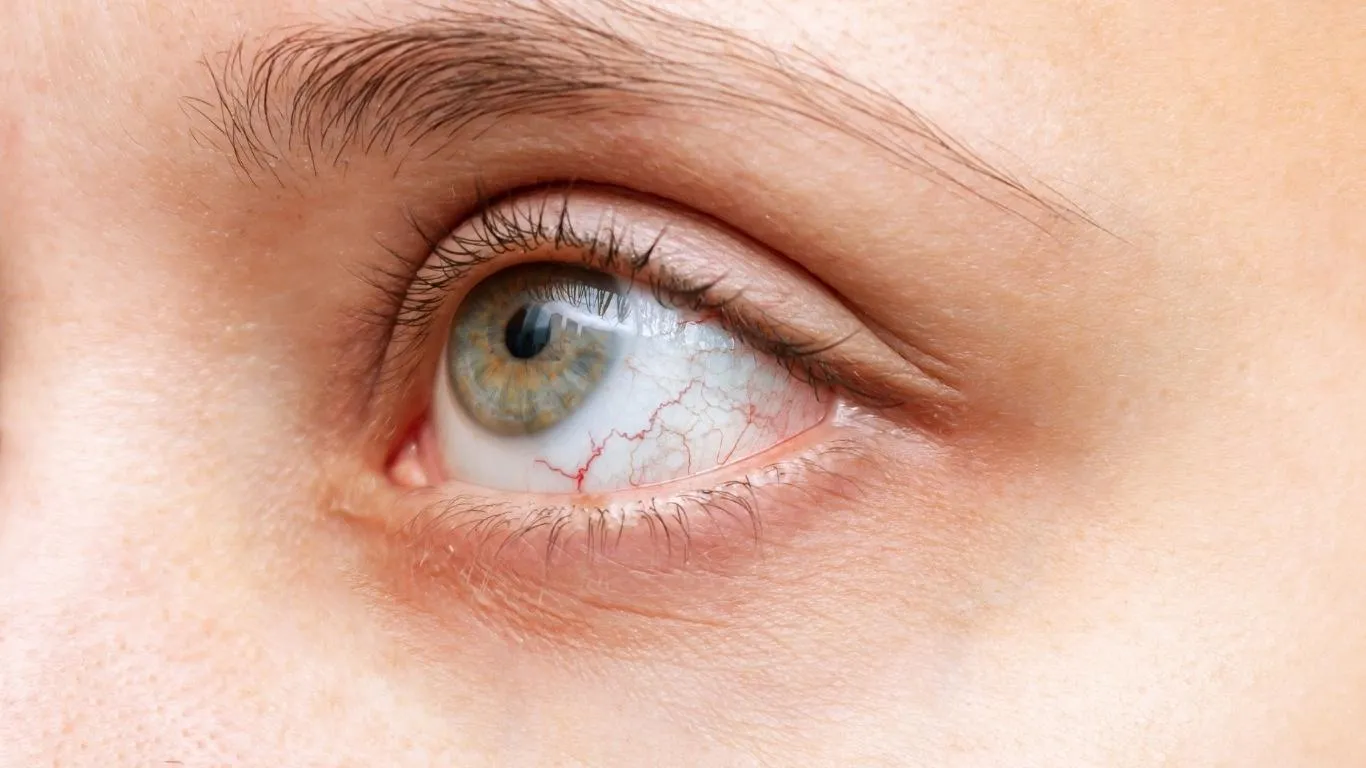
It sounds almost silly, but yes—moving your eyes side to side or up and down can help “shake” floaters out of your central line of sight. I use this trick every time I get stuck staring at one mid-Zoom call. A slow roll to the left or right is often all it takes.
There’s even evidence that simple eye exercises increase fluid circulation, helping your vitreous shift more effectively. It’s not a cure, but it’s a solid hack to reduce daily annoyance.
When Floaters Shrink After Sleep
Ever notice how floaters seem worse in the afternoon but lighter in the morning? You’re not imagining it. When you lie down, gravity spreads out the floaters overnight. Upon waking, they may have drifted into a position where your brain filters them out more easily.
I’ve found that skipping sleep or tossing and turning makes floaters more noticeable the next day. Probably because my eye fluid feels “stagnant,” like it didn’t get the usual circulation. If this sounds like you, check out these sleep tips for floater relief.
Do Certain Conditions Make Floaters Vanish Faster?
This might surprise you, but conditions that alter eye pressure or fluid flow can change how floaters behave. A few scenarios where people have reported floaters shrinking or fading faster include:
- During early pregnancy – Hormonal changes alter fluid retention. Some people report floaters clearing slightly in the first trimester. Read more about pregnancy and floaters.
- After cataract surgery – While surgery can stir up floaters initially, in some cases they become less noticeable over weeks. Details here: floaters post-cataract.
- With improved nutrition – After changing my diet to include more leafy greens and omega-3s, my floaters were definitely less distracting. Not gone, but easier to ignore. This guide helped: diet changes for floaters.
How to Tell If You’re Just Getting Used to Them
The wild part? You may think your floaters are shrinking, when in reality, your brain’s just doing its thing. There’s a huge difference between actual change and perceptual adaptation.
If you want to know for sure, try tracking your floaters once a month. I use a dark screen and white background test—just blink, shift your gaze slowly across the screen, and take note. Are the floaters moving? Are they fainter? Smaller? That kind of monthly check-in helps separate reality from just “getting used to them.”
This resource on how to track floater changes lays it all out really clearly.
What If They’re Gone for Good?
Sometimes, people notice that their floaters really do seem to be gone. Not shifted. Not filtered. Just—poof. There’s always a chance the vitreous has stabilized, or the floater settled far enough away from the retina to be invisible. Or your brain became an absolute pro at tuning them out. Either way, it’s a win.
But it’s still smart to get a quick checkup. I did when mine faded dramatically, just to rule out underlying eye issues like diabetic retinopathy or pressure changes. Your ophthalmologist can tell if there’s been any silent damage you haven’t noticed.
For a deep dive into what’s normal and what’s not when it comes to floater behavior, check out the full guide on eye floater causes. It covers trauma, aging, surgery, and everything in between. Also, the main eye floater article is a great resource if you want a broader understanding of treatments, risks, and when to see a specialist.

Camellia Wulansari is a dedicated Medical Assistant at a local clinic and a passionate health writer at Healthusias.com. With years of hands-on experience in patient care and a deep interest in preventive medicine, she bridges the gap between clinical knowledge and accessible health information. Camellia specializes in writing about digestive health, chronic conditions like GERD and hypertension, respiratory issues, and autoimmune diseases, aiming to empower readers with practical, easy-to-understand insights. When she’s not assisting patients or writing, you’ll find her enjoying quiet mornings with coffee and a medical journal in hand—or jamming to her favorite metal band, Lamb of God.